
Epoxy vs Polyurethane: Key Differences and Best Uses Explained
By:Admin
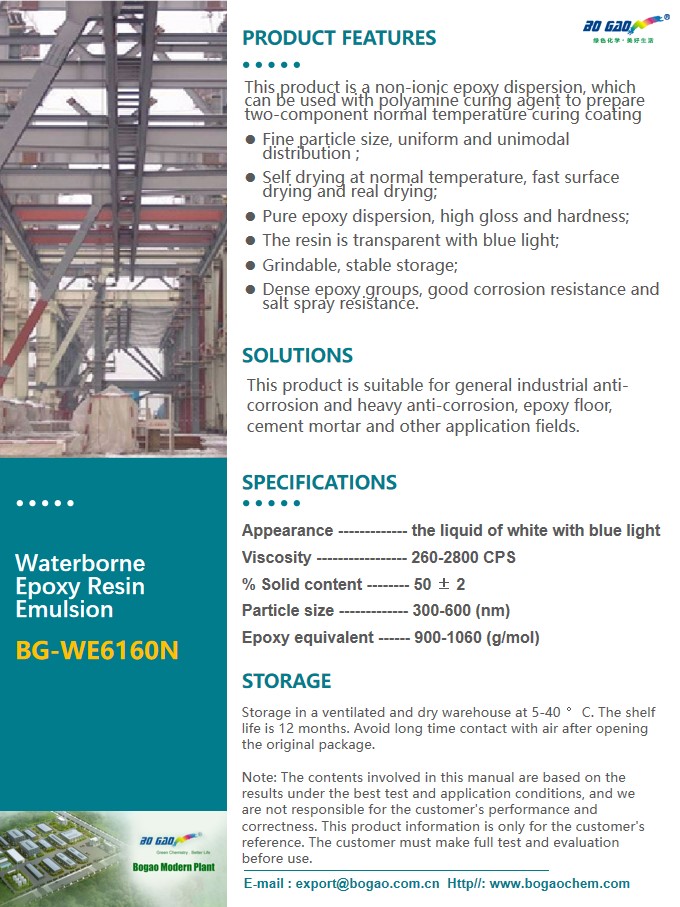
In the world of coatings and adhesives, two materials stand out as industry favorites: epoxy and polyurethane. Both have proven their worth over decades, offering unique properties that make them suitable for a wide range of applications. Understanding the differences between epoxy and polyurethane is essential for choosing the right product for your specific needs.
**What is Epoxy?**
Epoxy is a thermosetting polymer known for its exceptional mechanical properties and strong adhesion. It cures through a chemical reaction between a resin and a hardener, resulting in a very hard, durable finish. Epoxy coatings are renowned for their superior chemical resistance, excellent electrical insulation, and outstanding adhesion to a variety of substrates including metal, wood, concrete, and glass.
Common applications for epoxy include industrial coatings, flooring, aerospace, automotive parts, and electronics. Its ability to form a rigid, high-strength bond makes it ideal for structural repairs and protective coatings.
**What is Polyurethane?**
Polyurethane, on the other hand, is a versatile polymer that can be formulated to be either rigid or flexible. It is formed through the reaction of polyols and isocyanates and offers excellent abrasion resistance, elasticity, and UV stability. Polyurethane coatings are appreciated for their high gloss finish and resistance to weathering, making them a popular choice for outdoor applications.
Polyurethane is widely used in automotive topcoats, wood finishes, elastomers, seals, and flexible foams. Its durability and ability to maintain flexibility even under stress make it valuable in applications where impact resistance and movement are factors.
**Comparing Epoxy and Polyurethane**
- **Durability and Hardness:** Epoxy tends to cure harder than polyurethane. This makes epoxy more suitable for applications demanding high mechanical strength and abrasion resistance. However, the rigidity of epoxy can be a disadvantage in environments subject to flexing or impact, where polyurethane’s flexibility is beneficial.
- **Chemical and Corrosion Resistance:** Epoxy coatings generally outperform polyurethane when it comes to chemical resistance, offering excellent protection against solvents, acids, and alkalis. Polyurethane is good but typically less resistant than epoxy in harsh chemical environments.
- **UV Resistance:** Polyurethane coatings exhibit superior resistance to UV degradation. Epoxy tends to yellow and degrade when exposed to sunlight over time, limiting its use for outdoor applications unless topcoated with a UV-resistant finish.
- **Application and Drying Time:** Both materials can be applied using similar methods, such as brushing, spraying, or rolling. Epoxy generally has a longer curing time than polyurethane, which may impact project schedules.
- **Cost:** Polyurethane coatings can be more expensive due to their complex formulations and enhanced properties. However, the choice should be guided by application needs rather than cost alone.
**Choosing the Right Coating**
Selecting between epoxy and polyurethane depends largely on the specific requirements of the project:
- For indoor applications where chemical resistance and strong adhesion are critical, epoxy is often the preferred choice.
- For outdoor and automotive finishes where flexibility and UV resistance are key, polyurethane is generally the better option.
- In environments subject to heavy abrasion and impact, a combination of both may be used — an epoxy primer with a polyurethane topcoat.
**Company Introduction**
{} is a leading provider of high-performance coating solutions, dedicated to delivering products that meet the diverse needs of industrial, commercial, and residential customers. Leveraging advanced chemistry and rigorous quality standards, the company specializes in both epoxy and polyurethane formulations designed for maximum durability, aesthetic appeal, and environmental compliance.
With a commitment to innovation and customer satisfaction, {} offers expert consultation and technical support to help clients identify the most effective coating systems tailored to their unique applications. Their extensive product portfolio includes coatings for floors, machinery, infrastructure, and automotive surfaces, ensuring that each project achieves long-lasting protection and superior finish.
**Conclusion**
Understanding the distinctions between epoxy and polyurethane is crucial for making informed decisions on coating selections. Each material offers advantages suited to different environments and purposes. By partnering with a knowledgeable supplier like {}, customers can access high-quality products and expert advice to optimize their coating performance and achieve outstanding results.
Whether the priority is chemical resistance, flexibility, UV stability, or hardness, a thorough evaluation of epoxy and polyurethane properties will guide the choice toward the most suitable material. Ultimately, selecting the right coating ensures enhanced durability, aesthetic quality, and cost-efficiency for any project.